





















Blog
5 Ways to Screw Up Your Digital Transformation
Five common mistakes that derail digital transformation projects and how to avoid them, from data management to change management.
By Ross KatzRead
We guide organizations through system modernization with phased rollouts, zero-downtime migrations when the work requires them, and realistic timelines. You get value at every stage, not a two-year wait for a big-bang cutover.
CorrDyn helps organizations migrate off legacy ERP, CRM, and homegrown platforms to modern cloud infrastructure on AWS, GCP, or Azure without halting operations. We run old and new systems in parallel, sequence migration phases so each delivers standalone value, and manage the change across departments with competing priorities. Our clients have cut data latency from days to 35 minutes, executed zero-downtime production cutovers when the business required them, and managed six concurrent transformation workstreams at a single organization.
days → 35 min
Data latency after legacy platform migration
0
Downtime during production system migrations
6
Concurrent transformation workstreams managed at a single client
Engagements where this is the right work.
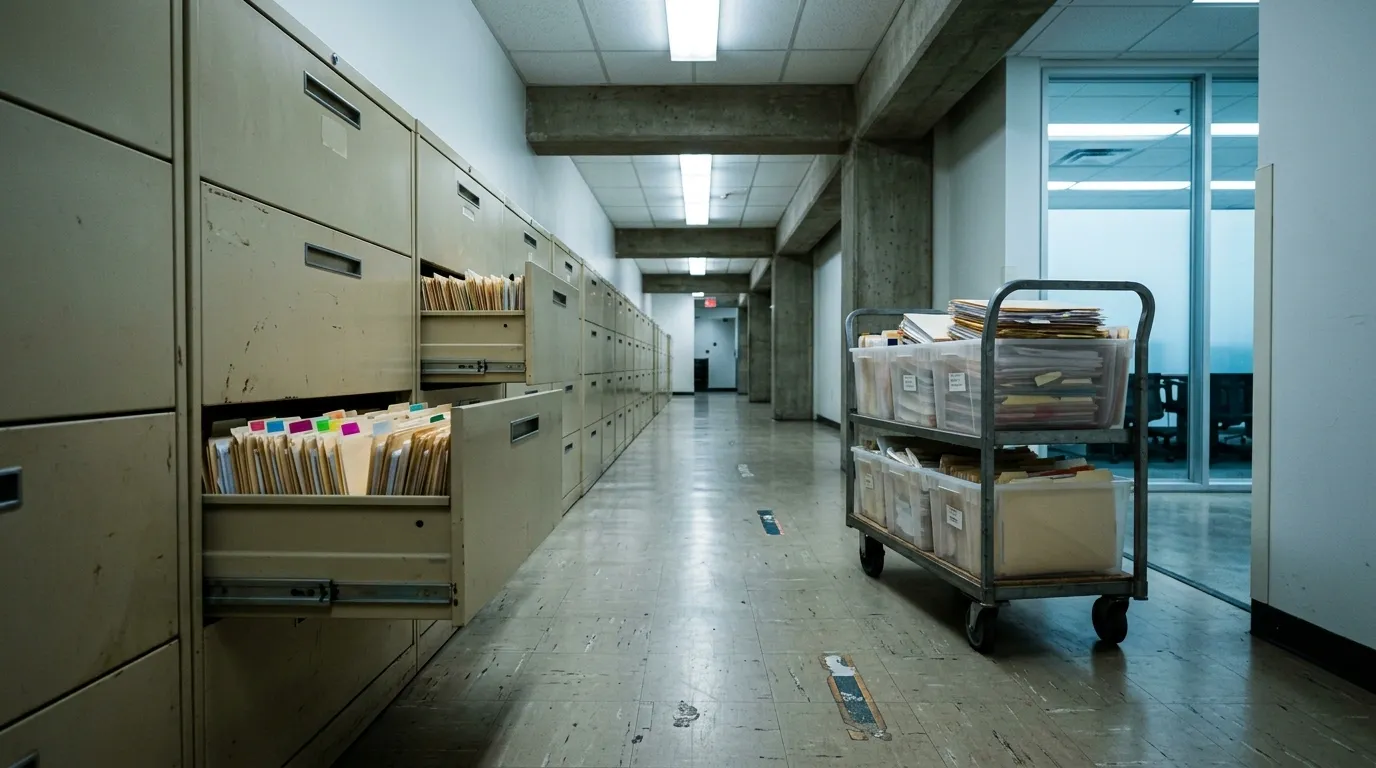
Migrate off outdated platforms (ERP, CRM, homegrown tools) without halting operations. We run old and new in parallel until the cutover is boring.
Move workloads to AWS, GCP, or Azure and eliminate the redundant tools that accumulated over the years. Fewer platforms, lower costs, less confusion.
Your business runs on spreadsheets, shared drives, and tribal knowledge that breaks when someone leaves. We help you select and implement the right platforms, migrate your data, and get your team off the workarounds they have outgrown.
Transformation that touches finance, operations, sales, and IT simultaneously needs coordination across stakeholders with competing priorities. We manage the sequencing, communication, and tradeoffs so departments move together instead of pulling in different directions.
You acquired a company and inherited their stack. We map the overlap, plan the consolidation, and migrate without breaking the operations that came with the deal.
A structured approach that delivers results at every stage.
Every transformation begins with understanding where you are today and where you need to be. We identify pain points across your technology stack, then sequence transformation steps so that each phase builds on the last. Our approach prioritizes quick wins that build organizational confidence while laying the groundwork for deeper structural change. We guide change management throughout, because new technology only delivers value when people actually use it.
Output: Migration plan with dependency map and parallel-run schedule
We help organizations select and implement the right mix of SaaS platforms, cloud infrastructure, and custom solutions. That includes migrating off legacy systems, consolidating redundant tools, standing up modern data platforms, and connecting everything so information flows where it needs to go. We measure success by time to value, system reliability, and return on investment, not by the number of tools deployed.
From our podcasts: Giving Biotech a Digital Brain with Scispot.
Output: Cutover with rollback plan, data validation, and live-system parity check
Migration is not the finish line. New systems only deliver value when people use them consistently. We run phased user rollouts with hands-on training tailored to each department, build feedback loops so issues surface early, and track adoption metrics to identify where teams are falling back to old workflows. Once the first departments are stable, we scale to additional teams, sites, or business units using the same playbook. The goal is a transformation your organization owns and operates independently, not one that requires us to stay forever.
Output: Training program, change-management plan, and adoption metrics
“CorrDyn has been an exceptional partner that has efficiently scoped, understood, and delivered on all our requirements for the NLx Research Hub's public-facing dashboard.”
Perspectives from our team on digital transformation.
Real outcomes from real engagements.

Healthcare
Government / Workforce Development

Higher Education
Legacy systems don’t have to hold you back. Let’s map out a migration that works on your timeline.
Book an Intro CallOr, see what else we do.

Get the technology leadership you need without a full-time hire. CorrDyn provides fractional CIO services, compliance guidance, and data strategy.
Connect CRMs, ERPs, e-commerce platforms, and legacy systems so data flows automatically. CorrDyn builds integrations that run reliably at scale.

Custom enterprise software, ERP integration, and legacy modernization. CorrDyn builds systems your team can maintain and extend on their own.

Automate the processes that consume your team's time and resources. CorrDyn builds reliable automation that frees your people for higher-value work.