Built on
trust.
80% of our clients were sent here by someone who trusts us. The average CorrDyn engagement lasts 5 years. There's a reason.
80%+
New business from referrals
5+
Year average client relationship
40+
Clients across 17 industries
90%+
Client retention rate
Our Principles
What sets us apart from other data consultancies.
We build trust every step of the way.
Every engagement starts with understanding your business, not selling you a solution. We earn trust through transparency, honest communication, and consistent delivery.
We sacrifice short-term for long-term.
We treat our clients as partners, not transactions. We would rather build a relationship that lasts years than maximize the value of a single engagement. Our average client relationship spans 5+ years — and that number is rising.
We are technologists, not marketers.
We don't enjoy marketing. We enjoy delivering value. Nearly all of our growth has come from referrals and vendor recommendations — and we intend to keep it that way.
We are honest.
We are transparent about the risks and challenges of every project. We report on bugs and outages proactively. When we don't know the answer, we say so. If you don't need us, we'll tell you.
We keep it simple.
Simple solutions are often the best solutions. We build systems that your team can maintain and enhance without needing us, maximizing your long-term ROI.
Your success is our success.
Our business interests are aligned with yours. We succeed when you succeed, and we hold ourselves accountable for the outcomes we deliver — not the hours we bill.
How We Work
Three operating commitments that shape every engagement.
We assess before we build.
Every engagement starts with a structured assessment — even short ones. The first deliverable is a written read of the problem, with the questions we still have, before we propose a single line of code. If the assessment reveals you don't need us, we'll tell you.
We work in the open.
Weekly readouts, working docs your team can edit, and direct access to the engineers actually doing the work. No black-box delivery, no surprise reveals at the end of a sprint, no vendor incentives shaping the recommendation.
We hand the keys back.
Our engagements end on purpose. Every project closes with a documented exit — runbooks, code ownership transfer, and a support window where we answer questions but don't ship new work. If a future team can't run what we built without us, we didn't finish the job.
Client Voices
Our Team
20+ senior practitioners across 5 countries. Average 9 years of experience.

James Winegar
Enterprise Architect
Founded CorrDyn to build secure, stable infrastructure for clients via automation. Over 12 years across banking, telecom, logistics, healthcare, and consumer packaged goods. Technical lead for a Fortune 50 digital marketing transformation handling millions of customer actions per second. Teaches ML at Scale and MLOps at UC Berkeley. Technical editor for two books on ML with Python.

Ross Katz
Principal Data Scientist
Expertise at the nexus of strategy and data science. 17 years across corporate analytics and consulting. Previously directed analytics for a public EdTech company with 1,400+ employees. Has automated pipelines and warehousing for dozens of companies and built NLP pipelines processing thousands of gigabytes. UC Berkeley MIDS. Hosts Data in Biotech and co-hosts Eventual Consistency.
The team

Nick Lorenson
Software Architect
Specializes in architecture and solution design with a business-centered approach. 10+ years driving technical projects across enterprise healthcare and professional sports. Built workflow management software that cut integration cycle time from 1.5 years to 6 months. Redesigned a data pipeline reducing runtime from 8 hours to 1 hour with self-healing schema.

Megan Wolfe
Business Intelligence Lead
Specializes in business process management and actionable analytics. 9 years overseeing product adoption, workflow automation, and BI initiatives. Designed reporting platforms for medical billing, led CRM adoption for healthcare staffing, and trained VP-level stakeholders on self-service BI across entertainment, healthcare, and non-profit sectors.

Kelly Lorenson
Director of Operations
Manages the pipeline of internal and external projects, coordinating the team to keep delivery on track. Background in accounting and operations including AP, AR, and financial policy across global teams. NetSuite power user who validates implementations from the end-user perspective.

JP Jorissen
Full-Stack Engineer
Specializes in API integrations and full-stack development. Built trade execution reporting via FIX protocol, reporting portals for automated processes, and a scheduling toolkit that reduced management hours from 200 to 4. 6 years of experience across finance, healthcare, and education.

James Murtha
Data Engineer
Specializes in data exploration, report automation, and pipeline development. 7+ years working with billing and operational data. Built turnkey data extraction from legacy systems, report generation platforms, and consolidated heterogeneous data sources into warehouses. Experience across healthcare, entertainment, and e-commerce.
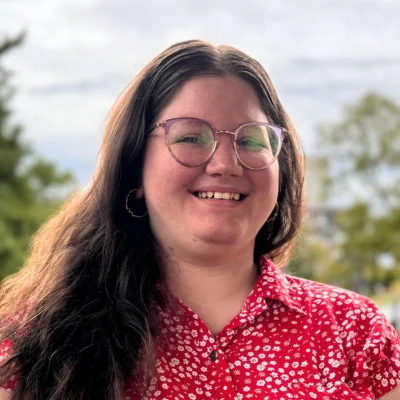
Kelly Brown
Operations Assistant
Keeps CorrDyn running behind the scenes. Manages invoicing, vendor coordination, scheduling, and the day-to-day operational details that let the technical team focus on client work. Supports onboarding, internal documentation, and cross-team communication across a distributed organization.

Maciek Ruckgaber
Software Engineer
Developer and Cloud Architect with over two decades of experience across Google Cloud, AWS, and Azure. Designs and builds software applications from scratch, manages development lifecycles, and leads migrations of legacy applications to containerized environments. Experience across enterprise CPG, IoT, and public/private sector consulting.
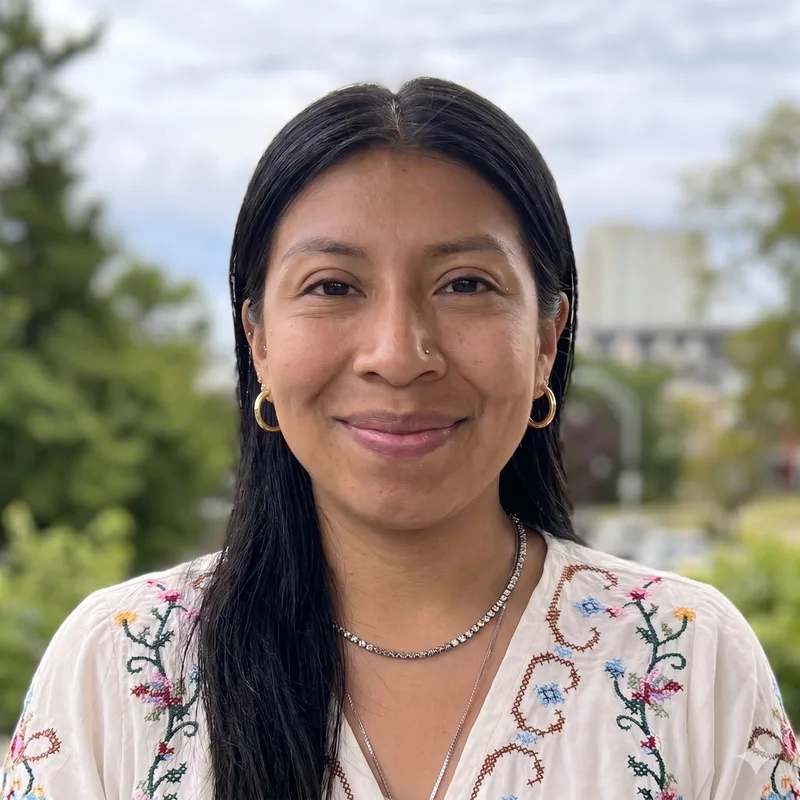
Aurora Olaya
Analytics Engineer
Specializes in turning ambiguous data problems into reliable analytics infrastructure. 10+ years across marketing, consumer insights, and product. Architected Snowflake/dbt pipelines for near-real-time reporting on 18 key metrics at an automotive marketplace, and built a centralized Tableau dashboard that integrated calls, surveys, app feedback, and social media for early issue detection. UC Berkeley MIDS.

Azael Santacruz
Data Analyst
Data analyst focused on dashboard design, automated reporting, and data validation. Brings a software-engineering background to the analyst practice — ~10 years across React, WordPress, and modern CMS, plus existing fluency in dbt and Cypress. Treats every dashboard like a piece of software — version-controlled, peer-reviewed, and tested before it ships.
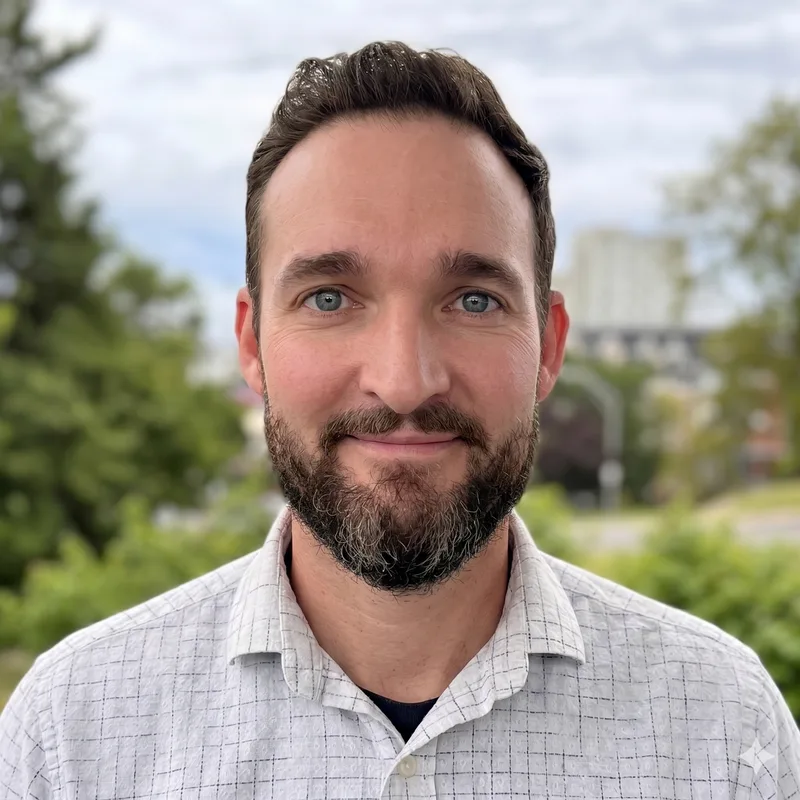
Ian de Heer
Analytics Engineer
Analytics engineer focused on dbt modeling, report automation, and pipeline maintenance. Builds tested transformation models, automates report generation, and consolidates heterogeneous data sources into warehouses across multiple concurrent client engagements. Catches the small breakages that turn into big ones, and writes runbooks while the context is still fresh.
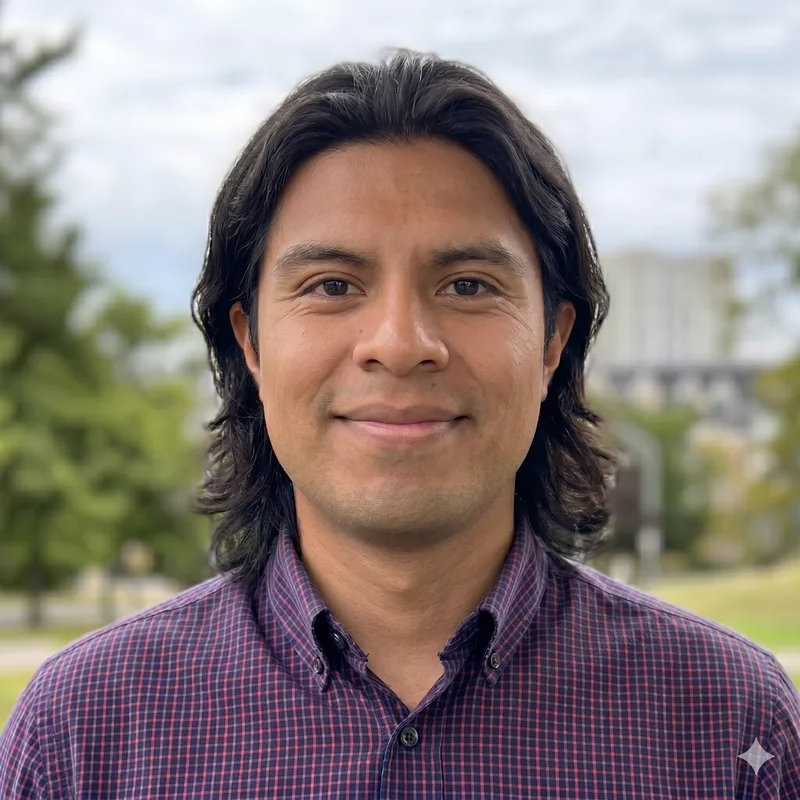
Jafet Ramírez
Data Analyst
Specializes in exploratory analysis, automated reporting, and data pipeline maintenance. 3+ years in dashboard design, data validation, and KPI development across healthcare billing and e-commerce. Built database migrations that reduced maintenance costs while improving data quality, and authored data tests that catch integrity issues before they reach reports. Theoretical physics, Benemerita Universidad Autonoma de Puebla.
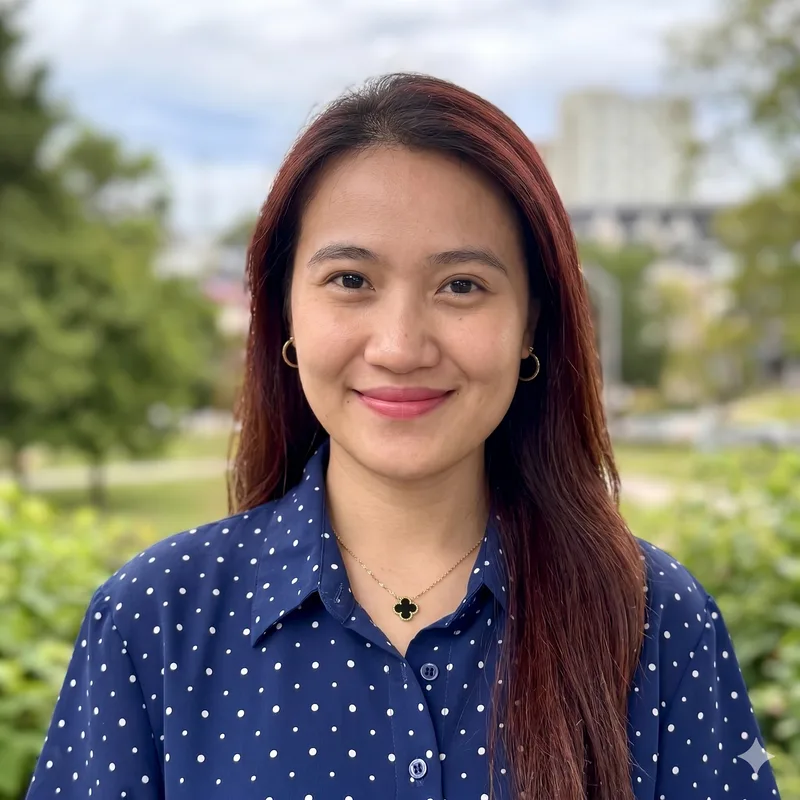
Jennie Salmorin
Data Analyst
Data analyst focused on dashboard design, automated reporting, and data validation. Brings a finance and ERP background to the analyst practice — Certified Public Accountant and former multi-certified NetSuite consultant, with deep familiarity with AR/AP workflows and financial reporting. Asks the questions a finance team would ask before a number leaves the warehouse.
20+
Team members
5
Countries
9 yrs
Avg. experience
2
University professors
We don't pitch.
We assess.
Our first deliverable is a standalone-valuable assessment — not a proposal deck. If the assessment reveals you don't need us, we'll tell you.
Get your free proposalPodcasts
Two shows. One team. Honest conversations about data.
Data in Biotech
A fortnightly show hosted by Ross Katz exploring how companies leverage data to drive innovation in life sciences. Featuring conversations with data leaders at organizations like Merck, Genentech, and Illumina.
58 episodes
Eventual Consistency
The data leader's fortnightly reality check. Ross Katz and James Winegar examine dominant industry stories — acquisitions, product launches, frameworks, and controversies — and ask: what does this actually mean for my world?
16 episodes
Available onApple Podcasts,Spotify, and all major podcast platforms.
Latest Insights
Perspectives on data strategy, engineering, and leadership.

August 3, 2026
Tokenmaxxing Is Not Efficiency: How to Measure AI Productivity
Token counts and lines of code are easy to count and easy to game. Goodhart's law explains why AI productivity metrics fail and what to track instead.

July 28, 2026
MotherDuck Guides: What to Put in Them, and What to Push Down
MotherDuck Guides are a routing layer for analytics agents, not documentation. What to put in them, what to push down, and how to keep them correct.

June 15, 2026
The Context Layer: What to Build, What to Skip, and Where to Start
A staged framework for deciding which data architecture components AI agents need, when to build them, and why, based on the value you are creating.

June 1, 2026
A Map of Where AI Creates Value in Your Business
Use case lists are not strategy. A mechanism-based framework for identifying where AI creates value, organized by what the AI is doing.

May 21, 2026
The Maintenance Trap: Why AI-Accelerated Data Teams Feel Slower
AI accelerates the 21% of data work that is code generation. The other 79% is maintenance, and every new asset makes it worse.

April 16, 2026
MCP in the Enterprise: Cost, Security, and Workload Routing
MCP is now core infrastructure. Its real cost at enterprise scale, where the security model breaks, and how to route agent workloads deliberately.

February 19, 2026
Skip the Data Stack, Get the Wrong Answer Faster
AI agents querying raw source systems inherit every data quality problem the transformation layer solves — then present wrong answers with confidence.

February 18, 2026
SaaSpocalypse: Who Deserves the $300B Software Selloff
An 8-question diagnostic framework for assessing which SaaS businesses AI threatens, validated against 2026 YTD stock performance.

July 15, 2024
LLM Tools for Data Apps: Architectural Components
How to decompose LLM workflows into task components, break down complex RAG systems, and select tools using 10 evaluation principles.
Where We Work
Nashville HQ. Distributed team. We travel for the meetings that matter.
Nashville-based, working with teams everywhere.
Our headquarters is in Nashville, but the team spans five countries. We collaborate async by default, with weekly working sessions in your timezone — and we travel for kick-offs, hard meetings, and anything that's better in a room.
Headquarters
414 Union Street, Ste 1900
Nashville, TN 37219 · United States
Phone
(629) 888-3197Careers
We hire on demonstrated capability, not credentials. People who ramp fast and ship work that holds up.
Data Engineer
Data Analyst
Frequently Asked
Questions
How is CorrDyn different from other data consultancies?
What industries do you work with?
Who will be working on my project?
How do you approach technology selection?
What does a typical engagement look like?
How do you measure success?
Get your free
proposal.
Tell us about your challenges. We will be honest about whether we can help.
- No pitch decks. We start by listening.
- Discovery calls are free.
- We respond within one business day.
Or email us directly at [email protected]
Message sent
Thanks for reaching out. We typically respond within one business day.
Something went wrong. Please try again or email us at [email protected].