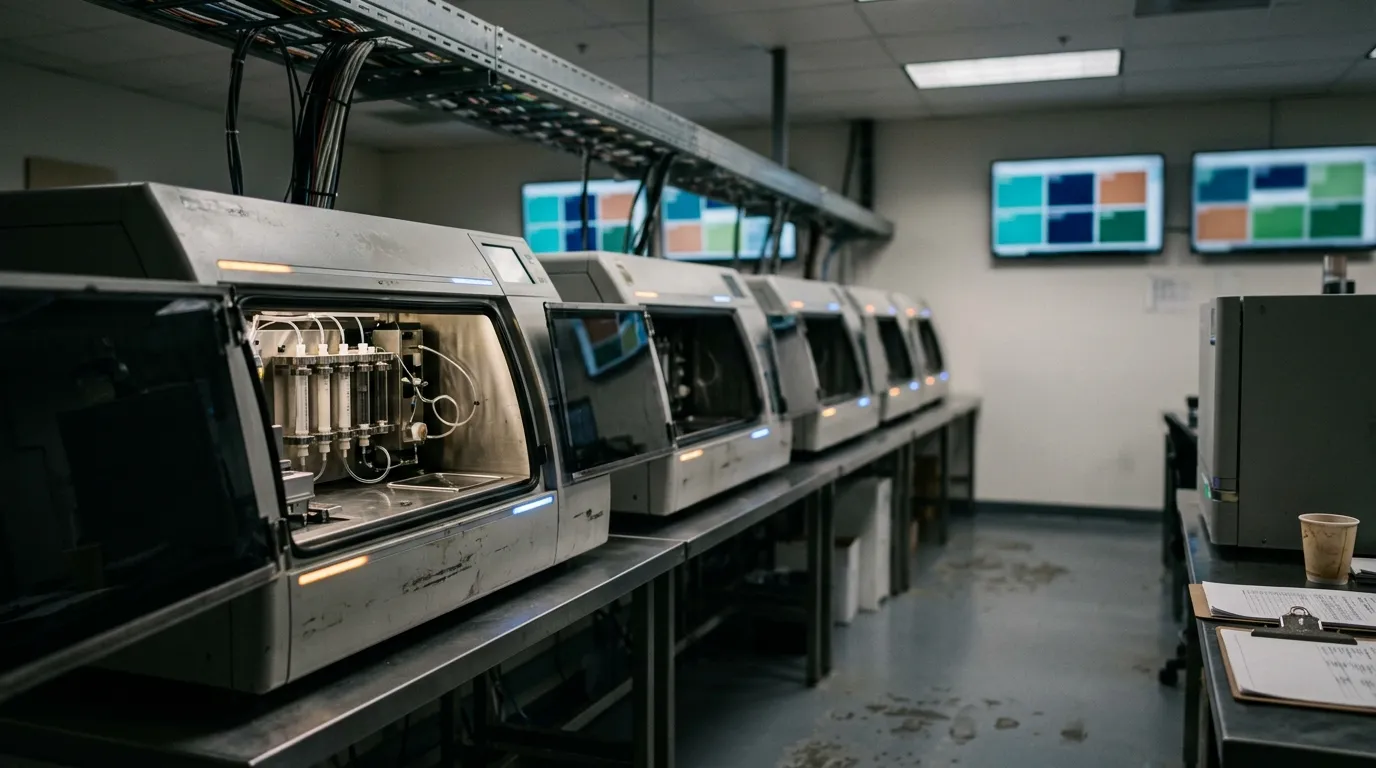
Real-time machine monitoring. IoT data pipelines that ingest sensor data at sub-second intervals, store it in time series databases, and surface it in dashboards that manufacturing engineers actually use. Whether you have 10 machines or 100, the architecture scales without rearchitecting.
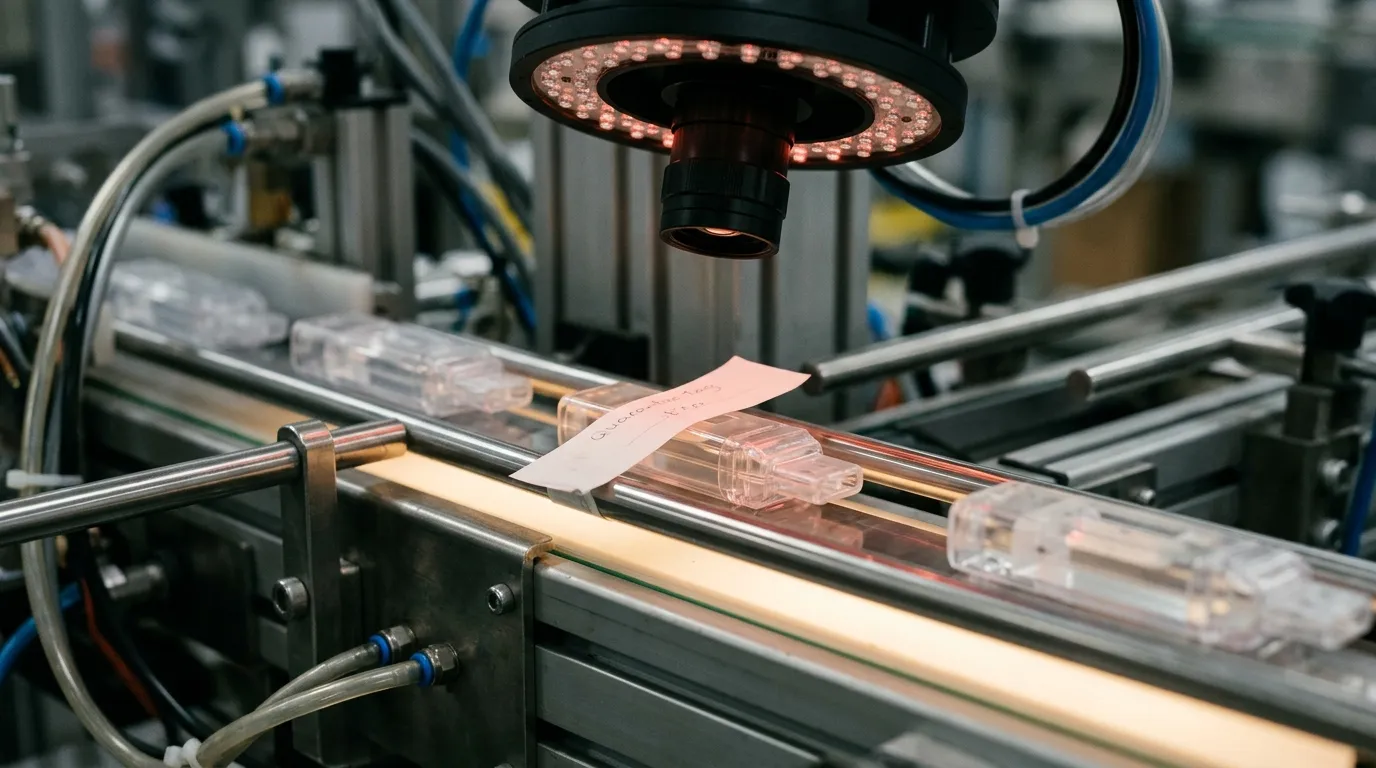
Quality analytics and traceability. Robotic arm performance analysis with error correlation, vision system analytics, and batch-level data pipelines that connect raw machine output to quality outcomes. When a failure pattern emerges, your team sees it in minutes instead of discovering it during a post-mortem days later.
ML infrastructure and model deployment. Most biotech companies want predictive maintenance or image-based defect detection but lack the data foundation to support it. We build the data preparation pipelines, feature engineering layers, and labeled training sets that make machine learning viable. The model is the last step, not the first.
Hear from biotech leaders on Data in Biotech: [3D printing therapeutics at scale with Aprecia](/podcasts/data-in-biotech/ep-66-aprecia-3d-printing-therapeutics), [separating AI hype from reality](/podcasts/data-in-biotech/ep-67-ben-locwin-ai-hype-biotech), and [computational drug discovery at Schrödinger](/podcasts/data-in-biotech/ep-68-robert-abel-schrodinger-drug-discovery).
Data platform assessments and roadmaps. For companies earlier in their data journey, we deliver a structured assessment that maps your current state across manufacturing, quality, and data science functions, identifies the gaps between where you are and where you need to be, and prioritizes what to build first.