Skip to content
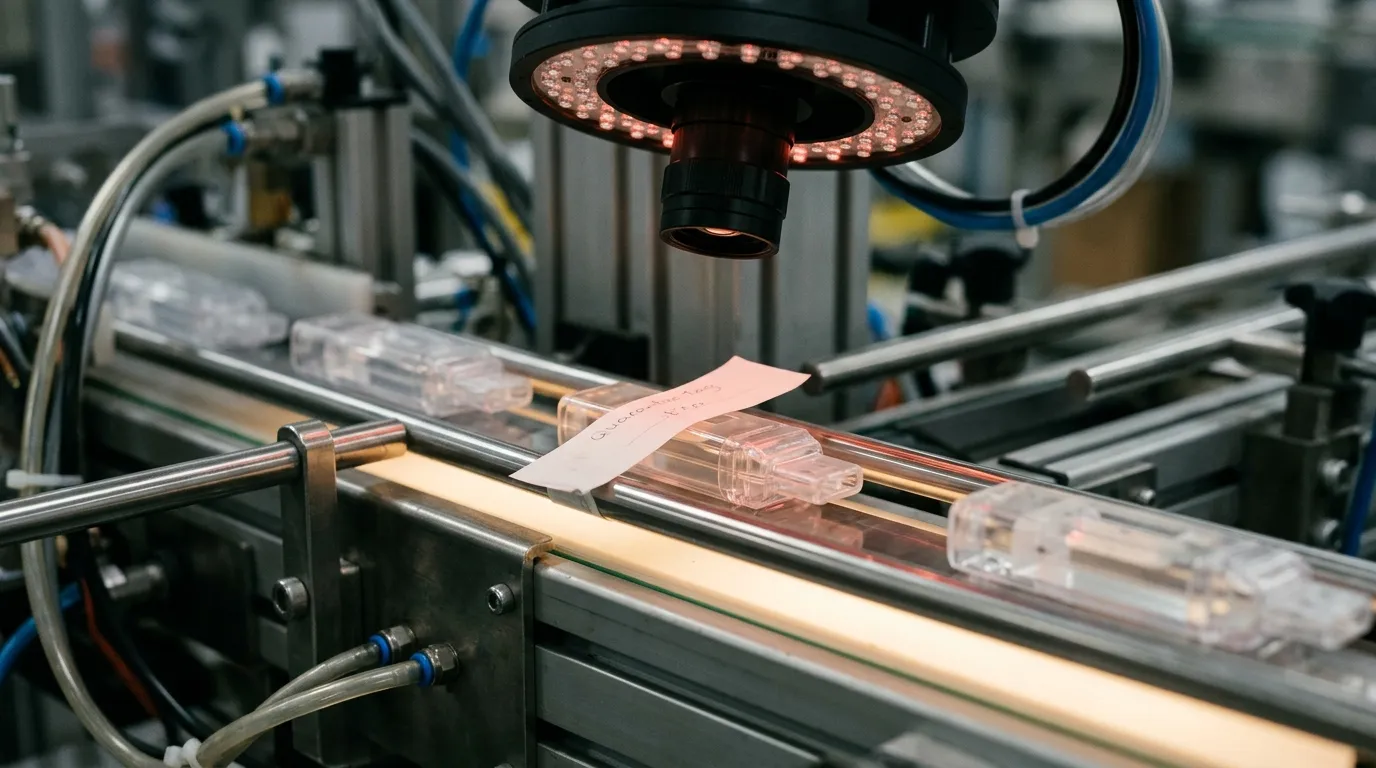
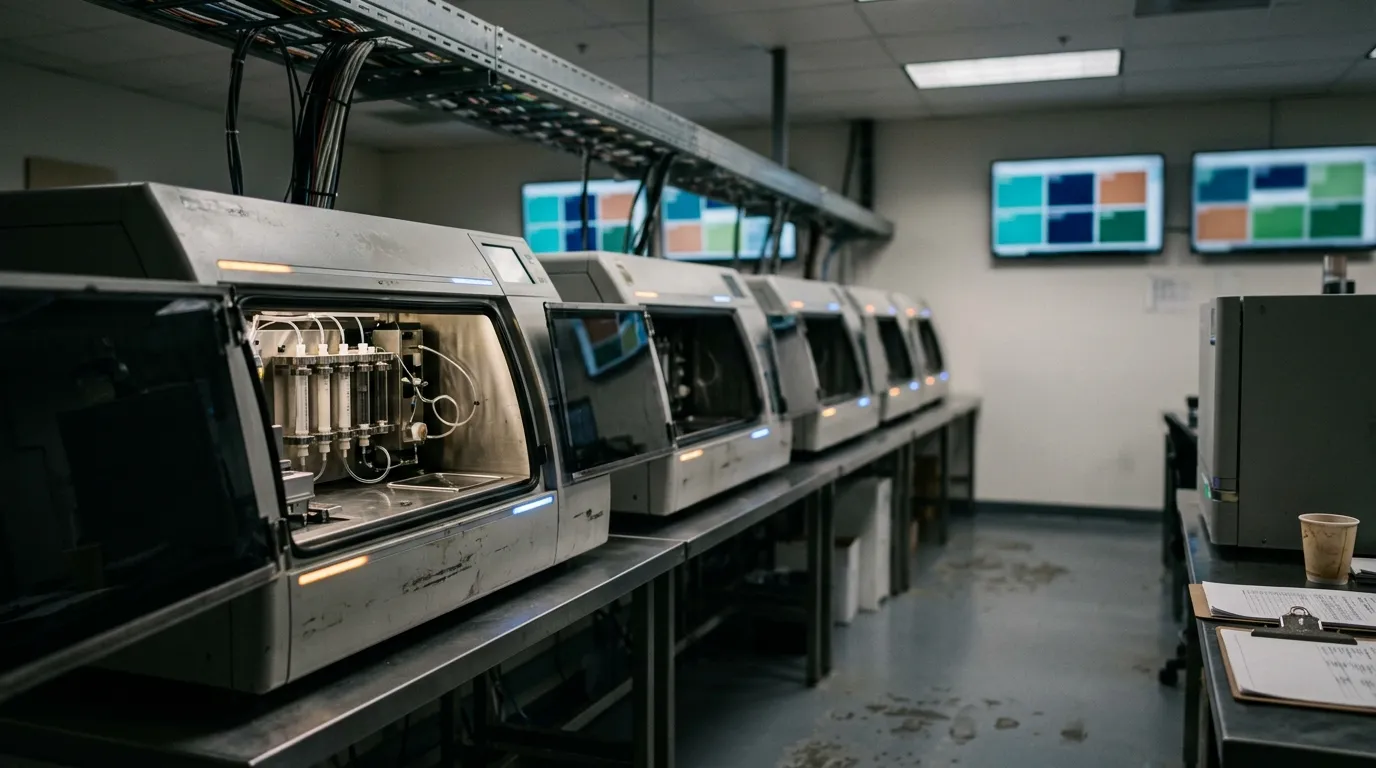
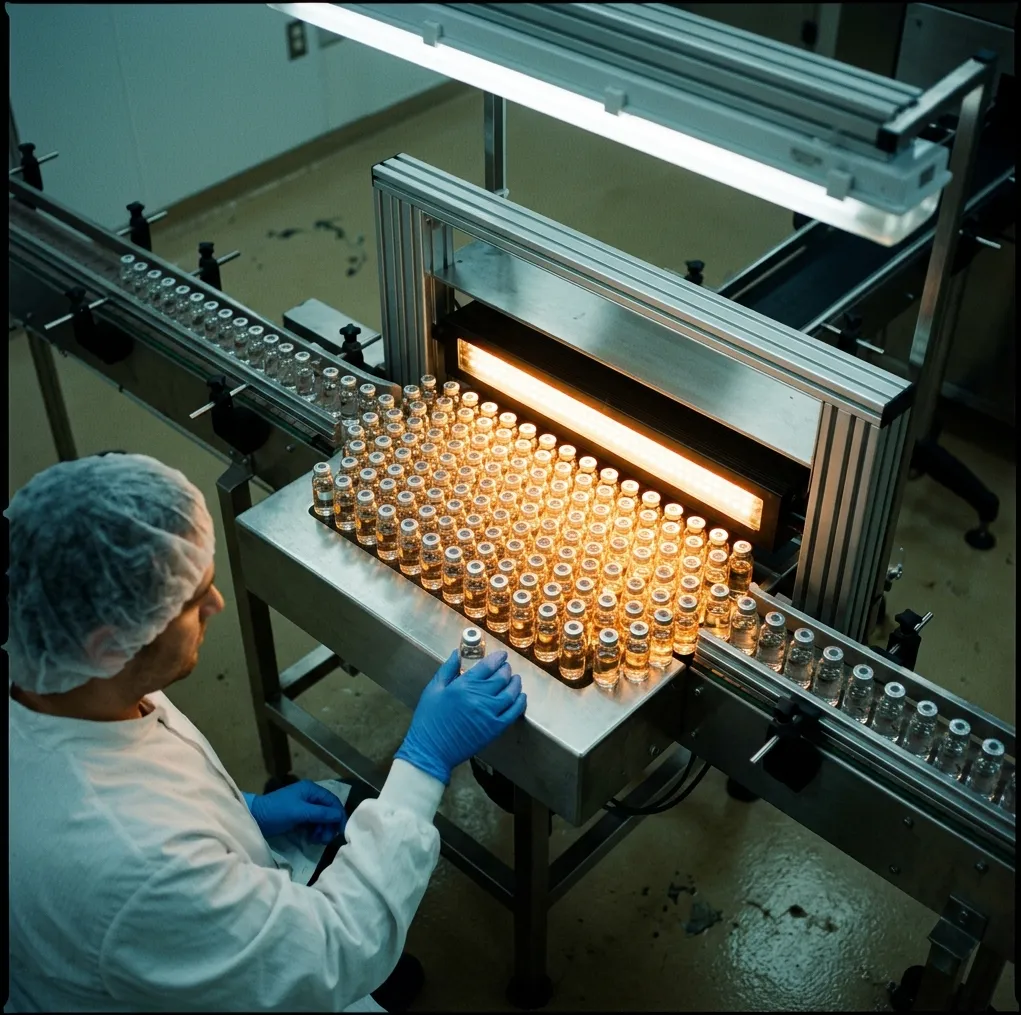
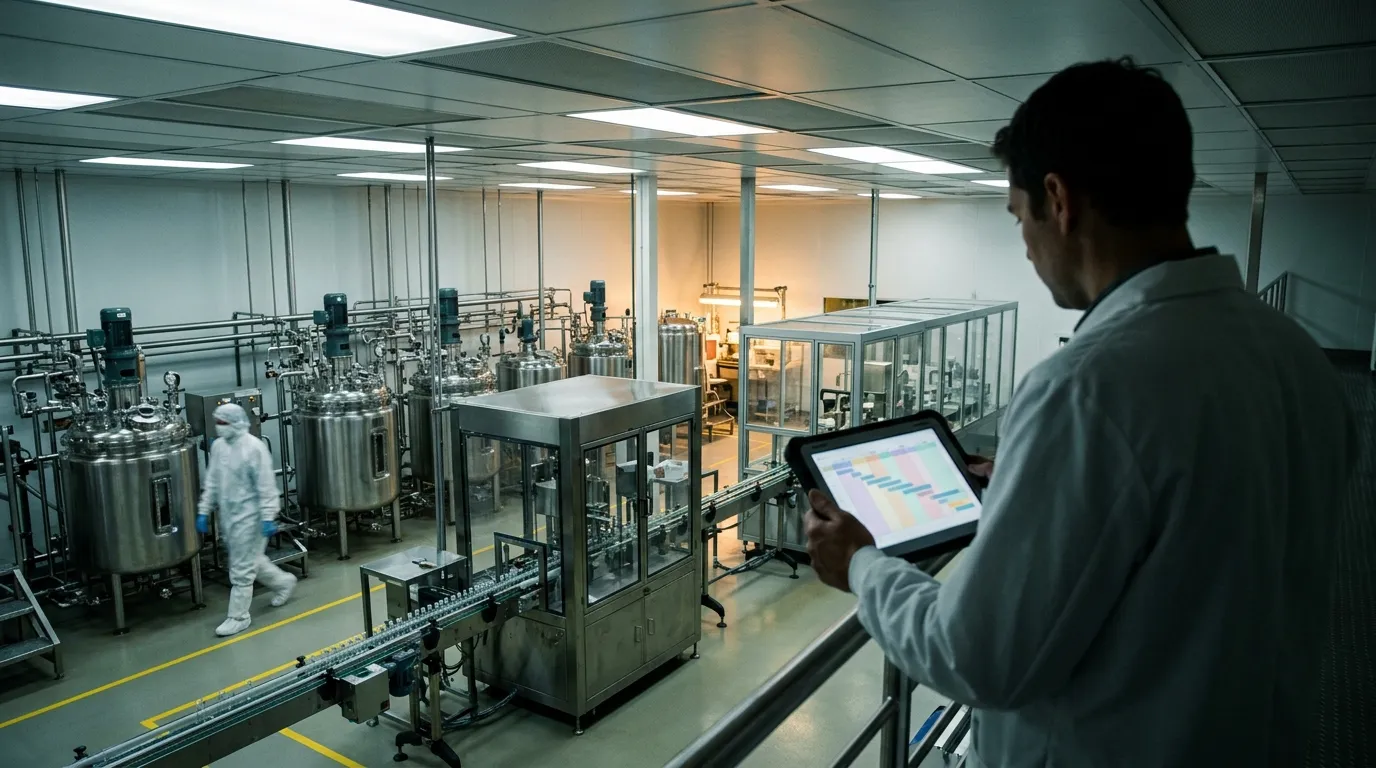
Editorial photograph evoking pharmaceuticals and clinical research operations
Pharmaceuticals and Clinical Research

Your clinical data meets regulatory standards. Your analytics infrastructure does not.

CorrDyn builds the data platforms that pharmaceutical companies need to connect research, manufacturing, and commercial data while maintaining the compliance and auditability the industry demands.

10+ yrs

Data infrastructure experience at life sciences companies

29+

Statements of work at a single life sciences manufacturer

1B+/day

Sensor readings processed for life sciences clients

Common Challenges

The data problems we solve in pharmaceuticals and clinical research are specific, recurring, and well-understood from years of delivery.

Clinical and manufacturing data disconnected

Research generates assay data, trial results, and analytical measurements. Manufacturing generates batch records, sensor telemetry, and quality logs. Commercial generates sales and distribution data. Each domain runs on separate systems with no unified analytical layer.

Regulatory submissions assembled manually

FDA filings, GxP (Good Practice) compliance documentation, and quality reports require data from laboratory information management systems (LIMS), ERP, manufacturing execution systems, and clinical databases. Assembly is manual, error-prone, and consumes senior staff time every submission cycle.

Quality and compliance data not analytically accessible

Quality systems track deviations, CAPAs, and batch release data, but the data is locked in validated systems designed for compliance, not analytics. Getting trend data out for process improvement requires manual extraction.

Research teams cannot access production data

Scientists who need manufacturing data for process optimization, method development, or technology transfer have to request it through IT. The turnaround is days or weeks. By then, the production run they wanted to analyze is three batches ago.

Our Approach

How CorrDyn works with pharmaceuticals and clinical research companies.

01The Data Problem in Pharmaceuticals

Pharmaceutical companies generate data across every stage of the product lifecycle: research and development, clinical trials, manufacturing, quality control, regulatory affairs, and commercial distribution. Each stage runs on specialized systems designed for compliance and operational control, not for cross-functional analytics.

The result is an organization that can meet regulatory requirements for any individual system but cannot answer cross-domain questions without weeks of manual data assembly. How does batch quality correlate with raw material supplier? Which manufacturing parameters predict analytical results? What is the true cost of producing and distributing a specific product? The data to answer these questions exists. The infrastructure to connect it does not.

CorrDyn spent over a decade building data infrastructure for life sciences manufacturers. The problems we solve — IoT sensor pipelines, LIMS integration, quality analytics, ML on manufacturing data — are the same problems pharmaceutical companies face at every stage of growth, from clinical development through commercial manufacturing.

02What CorrDyn Builds for Pharmaceutical Companies

Manufacturing data infrastructure. IoT sensor pipelines that ingest data from production equipment at sub-second intervals, batch record data pipelines, and quality analytics dashboards. These systems provide real-time visibility into machine performance, quality metrics, and failure patterns across the manufacturing floor, from API synthesis through final dosage form production.

Research and lab data integration. Pipelines that connect LIMS (laboratory information management system) outputs, analytical instrument data, and research databases to a unified analytical layer. Scientists and process engineers query cross-system data directly instead of waiting for IT to run custom reports. Technology transfer teams get the manufacturing-to-research feedback loop they need to iterate on processes.

Compliance-aware analytics architecture. Data pipelines with full lineage tracking, audit trails, and access controls appropriate for GxP (Good Practice) environments. The analytical layer sits alongside validated source systems without changing their validation status. Quality teams get trend data for process improvement. Regulatory affairs gets submission-ready data. The compliance framework stays intact.

Clinical and commercial data connectivity. Pharmaceutical data challenges extend beyond the manufacturing floor. Clinical trial data, commercial sales and distribution records, and regulatory submission artifacts all live in separate systems. We build the integration layer that lets cross-functional teams answer questions that span research, manufacturing, and commercial operations.

ML readiness and model development. For pharmaceutical companies exploring predictive quality, process optimization, or analytical method automation, we build the data preparation layer first: clean data, governed models, feature engineering pipelines, and labeled training sets. The model is the last step. The foundation is what makes it work. For a look at how physics-based simulation and ML are converging in drug discovery, listen to our conversation with Schrödinger's Robert Abel on [computational drug discovery](/podcasts/data-in-biotech/ep-68-robert-abel-schrodinger-drug-discovery).
03Why Pharmaceutical Companies Choose CorrDyn

Our life sciences experience is not theoretical. We spent over a decade inside life sciences manufacturing, building and operating the data systems that connect sensors to dashboards to ML models. We understand the organizational dynamics of pharmaceutical companies: the separation between IT and science, the compliance requirements that constrain data access, the skepticism of lab teams toward tools that have not been proven on their data. We start with a working prototype on real data, validated against numbers your team already trusts.

Results

Real outcomes from our pharmaceuticals and clinical research engagements.

Technologies

Tools we use in pharmaceuticals and clinical research engagements.

Cloud

AWS logoAWS
GCP logoGCP
Azure logoAzure

Data Warehouses

Snowflake logoSnowflake
BigQuery logoBigQuery
Databricks logoDatabricks
MotherDuck logoMotherDuck
DuckDB logoDuckDB
Redshift logoRedshift

Ingestion & Orchestration

Estuary logoEstuary
Dagster logoDagster
Fivetran logoFivetran
Airflow logoAirflow
Prefect logoPrefect

Transformation

dbt logodbt
dlt logodlt
SQLMesh logoSQLMesh
Spark logoSpark

BI & Analytics

Tableau logoTableau
Looker logoLooker
Power BI logoPower BI
Omni logoOmni
Superset logoSuperset
Evidence logoEvidence
Rill Data logoRill Data
Grafana logoGrafana

ML & Data Science

scikit-learn logoscikit-learn
PyTorch logoPyTorch
Hugging Face logoHugging Face
MLflow logoMLflow
Optuna logoOptuna

Frequently Asked
Questions

Does CorrDyn have experience in pharmaceutical and life sciences data?
Yes. CorrDyn spent over 10 years building data infrastructure for life sciences manufacturers across 29+ statements of work. Our experience covers sensor pipelines, quality analytics, LIMS (laboratory information management system) integration, ML model development, and compliance-aware data architectures across manufacturing, diagnostics, and research environments.
Can CorrDyn work within validated environments?
We design data pipelines with full lineage tracking, audit trails, and governance controls appropriate for GxP-regulated environments. The analytical layer sits alongside validated source systems without disrupting their validation status. Quality teams get trend data for process improvement. Regulatory affairs gets submission-ready data. The compliance framework stays intact.
How does CorrDyn help pharmaceutical companies with ML and advanced analytics?
Most pharmaceutical companies need clean, accessible data before ML is viable. We build the foundational pipelines, data quality layer, and feature engineering infrastructure first. Then we scope and deploy models for process optimization, predictive quality, image classification, and analytical method development. The model is the last step, not the first.
What does a pharmaceutical data assessment look like?
We map existing data systems across research, manufacturing, quality, and commercial functions. We interview stakeholders in each domain to understand reporting needs, compliance requirements, and analytical gaps. The output is a prioritized roadmap that identifies what to build first, what tools to use, and what the implementation looks like in phases.
Can CorrDyn connect LIMS data to manufacturing and commercial data?
Yes. We build pipelines that connect LIMS outputs, ERP production records, sensor telemetry, and quality databases into a unified analytical layer. The same integration patterns work for connecting analytical lab data to manufacturing execution systems, batch records, and commercial distribution data. Scientists and process engineers query cross-system data directly instead of waiting for IT to run custom reports.

Get your free
proposal.

Tell us about your challenges. We will be honest about whether we can help.

  • No pitch decks. We start by listening.
  • Discovery calls are free.
  • We respond within one business day.

Or email us directly at [email protected]

No sales scripts. No commitments.