Skip to content
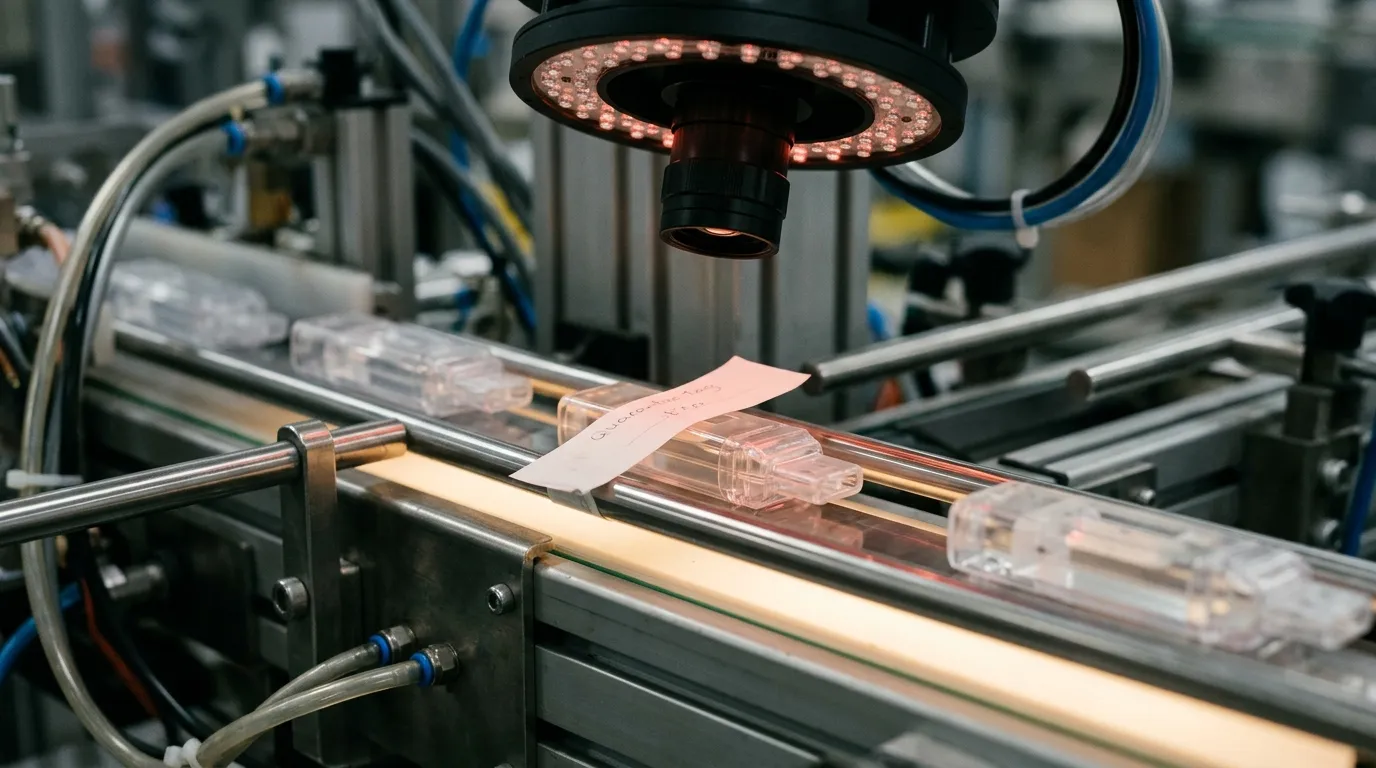
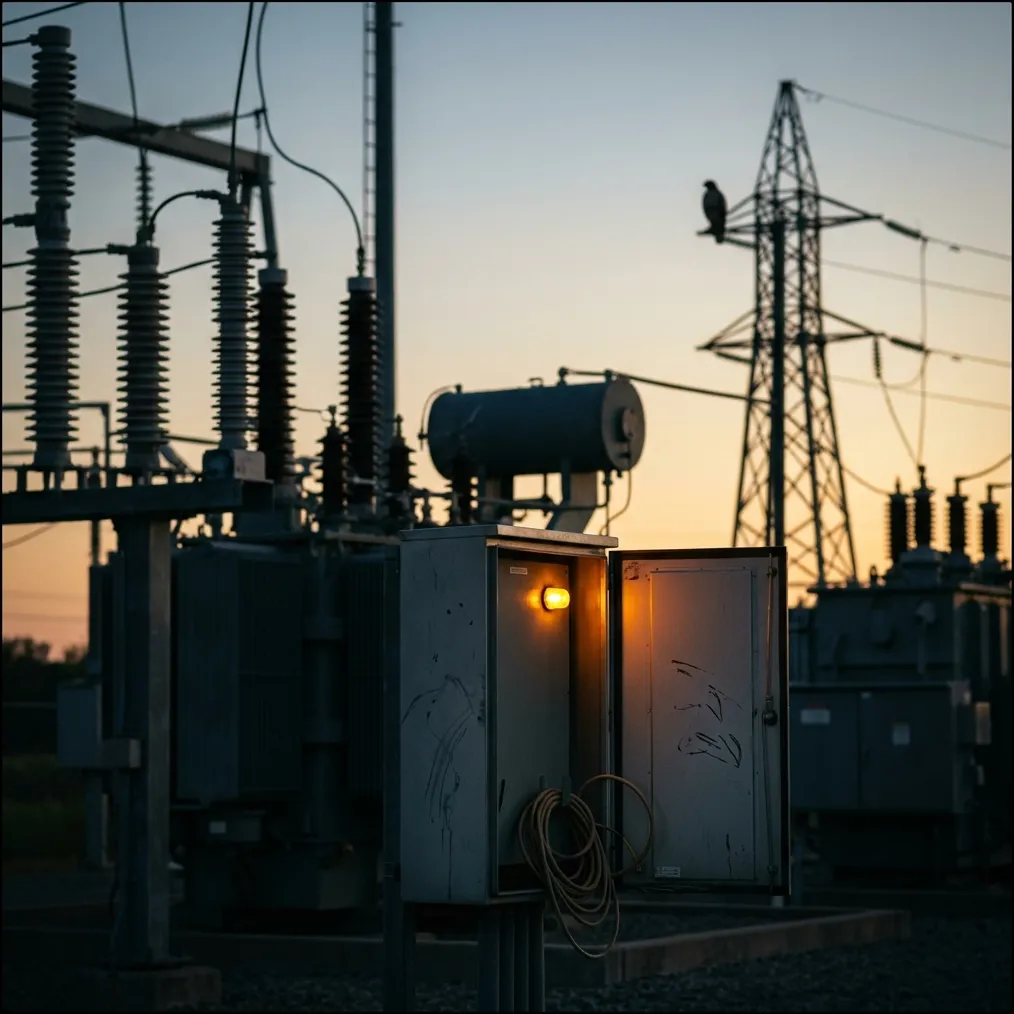
Editorial photograph evoking energy, utilities, and cleantech operations
Energy, Utilities, and Cleantech

Your smart meters generate millions of readings. Your grid planning still uses last quarter averages.

CorrDyn builds the data infrastructure that turns sensor streams, SCADA (supervisory control and data acquisition) systems, and operational data into the real-time analytics that energy and utility companies need to operate, plan, and comply.

1B+/day

Sensor readings processed across IoT clients

5ms

Ingestion interval for time series data

30%

Compute cost reduction for a telemetry platform

Common Challenges

The data problems we solve in energy, utilities, and cleantech are specific, recurring, and well-understood from years of delivery.

SCADA and sensor data trapped in proprietary systems

Meters, remote terminal units (RTUs), and SCADA historians capture operational data continuously. That data sits in proprietary formats and vendor-specific platforms. Extracting it for analysis or cross-system correlation requires custom integration that most internal teams do not have capacity to build.

Grid, asset, and generation data managed in silos

Asset management, outage tracking, generation scheduling, and customer billing each run on separate systems. Getting a unified view of cost-per-MWh, asset utilization, or outage root cause requires pulling from four or more platforms.

Regulatory reporting assembled from multiple sources

Federal reliability standards (NERC), market oversight filings (FERC), state public utility commission (PUC) reports, and environmental compliance data all require pulling from operations, finance, and engineering. The assembly process is manual, error-prone, and happens under deadline pressure every reporting cycle.

Legacy infrastructure that cannot handle real-time data volumes

Smart meter rollouts, distributed generation, and grid modernization programs generate data volumes that legacy infrastructure was not designed for. The data arrives in real time. The analytics are still batch.

Our Approach

How CorrDyn works with energy, utilities, and cleantech companies.

01The Data Problem in Energy and Utilities

Energy and utility companies face a data problem that compounds at every layer: massive IoT sensor volumes, strict regulatory reporting obligations, and aging infrastructure that was never designed for real-time analytics. Smart meters generate interval data at scale. SCADA (supervisory control and data acquisition) systems capture grid operations continuously. Asset management systems track equipment across decades-long lifecycles. And every quarter, federal and state regulators require reports assembled from all of these sources.

Most energy companies have invested in sensors, meters, and monitoring. The data flows into historians and databases. What does not exist is the layer that connects that raw data to the operational dashboards, predictive models, and compliance reports the business needs. CorrDyn builds exactly that layer.

02What CorrDyn Builds for Energy and Utilities

Real-time sensor and telemetry pipelines. Streaming data pipelines that ingest sensor data at millisecond intervals and store it for time series analysis. Whether the source is SCADA historians, smart meter interval data, or distributed generation telemetry, the architecture handles billions of readings per day and scales as your grid modernization program expands.

Operational dashboards for grid and asset management. Real-time operational dashboards that show generation output, distribution losses, equipment utilization, outage status, and demand patterns. Operations teams get sub-second data freshness and the reliability they need to depend on the numbers every shift.

Telemetry cost optimization. Energy companies running large-scale time series analytics often face runaway compute costs as data volumes grow. We profile actual query patterns, storage costs, and resource utilization, then eliminate waste without reducing analytical capability. At one enterprise client, we reduced telemetry platform compute costs by 30%.

Regulatory reporting automation. NERC (North American Electric Reliability Corporation) filings, FERC (Federal Energy Regulatory Commission) market reports, state public utility commission submissions, and environmental compliance data all require pulling from operations, finance, and engineering systems. We build the pipelines that automate this assembly, replacing manual processes that consume senior staff time under deadline pressure every cycle.

ML infrastructure for predictive analytics. For energy companies ready for predictive maintenance, load forecasting, or anomaly detection, we build the data preparation layer that makes machine learning viable: clean time series data, feature engineering pipelines, and model deployment infrastructure. The same time series ML patterns we have deployed in industrial manufacturing apply directly to grid equipment monitoring and generation forecasting.
03Why Energy Companies Choose CorrDyn

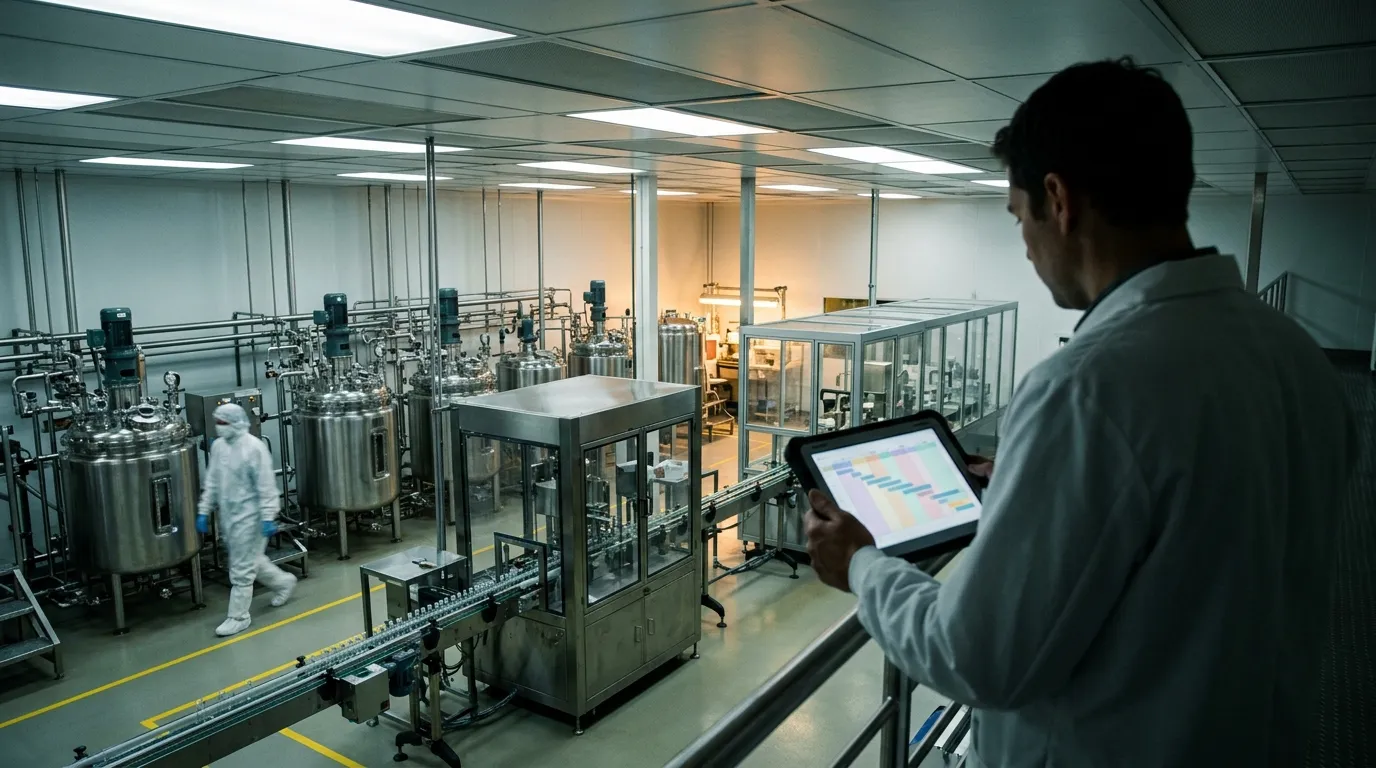
We built our IoT and time series expertise in industrial environments where the data volumes, reliability requirements, and operational stakes match what energy companies face. Billions of sensor readings per day. Dashboards that operations teams depend on every shift. Data quality requirements where errors have real consequences. We bring this depth to energy and utilities without the learning curve of a team encountering industrial-scale data for the first time.

Results

Real outcomes from our energy, utilities, and cleantech engagements.

Technologies

Tools we use in energy, utilities, and cleantech engagements.

Cloud

AWS logoAWS
GCP logoGCP
Azure logoAzure

Data Warehouses

Snowflake logoSnowflake
BigQuery logoBigQuery
Databricks logoDatabricks
MotherDuck logoMotherDuck
DuckDB logoDuckDB
Redshift logoRedshift

Ingestion & Orchestration

Estuary logoEstuary
Dagster logoDagster
Fivetran logoFivetran
Airflow logoAirflow
Prefect logoPrefect

Transformation

dbt logodbt
dlt logodlt
SQLMesh logoSQLMesh
Spark logoSpark

BI & Analytics

Tableau logoTableau
Looker logoLooker
Power BI logoPower BI
Omni logoOmni
Superset logoSuperset
Evidence logoEvidence
Rill Data logoRill Data
Grafana logoGrafana

ML & Data Science

scikit-learn logoscikit-learn
PyTorch logoPyTorch
Hugging Face logoHugging Face
MLflow logoMLflow
Optuna logoOptuna

Frequently Asked
Questions

Does CorrDyn have experience with SCADA and sensor data at scale?
Yes. We have built and operated IoT data pipelines processing over a billion sensor readings per day at sub-second intervals across 60+ data sources in industrial environments. The same streaming architecture — real-time ingestion, time series storage, and operational dashboards — handles SCADA historian data, smart meter readings, and grid telemetry.
Can CorrDyn build real-time operational dashboards for energy companies?
Yes. We build and operate real-time dashboard suites that show time series data, anomaly detection, and operational KPIs with sub-second refresh. For energy companies, this means grid operations visibility, generation monitoring, distribution system analytics, and asset health tracking — all from a single platform your operations team can depend on every shift.
How does CorrDyn handle the data volumes from smart meter rollouts?
Smart meters generate interval data at 15-minute or 5-minute resolution across hundreds of thousands of endpoints. We build ingestion pipelines that handle this volume using streaming infrastructure, columnar storage, and time series databases. Our experience processing billions of sensor readings per day in manufacturing translates directly.
Can CorrDyn help reduce our data platform costs?
Yes. At an enterprise technology company, we reduced telemetry data lake compute costs by 30% through resource utilization optimization. We evaluate actual query patterns, storage costs, and compute usage before recommending changes. For energy companies running expensive analytics platforms, the savings can be significant.
Does CorrDyn understand energy regulatory reporting requirements?
We have deep experience with deadline-driven, multi-source compliance reporting in regulated industries. The pattern is the same across sectors: extracting data from multiple operational systems, transforming it into compliant formats, and automating the assembly and delivery. For energy companies, this means automating NERC (reliability standards), FERC (market oversight), and state PUC filings instead of assembling them manually every cycle.

Get your free
proposal.

Tell us about your challenges. We will be honest about whether we can help.

  • No pitch decks. We start by listening.
  • Discovery calls are free.
  • We respond within one business day.

Or email us directly at [email protected]

No sales scripts. No commitments.